
Home / Cooling / How to Identify Hard and Soft Water

How to Identify Hard and Soft Water

identify hard and soft waterHard water and soft water are common terms, but many people don’t know what they really mean. What makes water “hard” or “soft,” and does it even make a difference in everyday living? Should you be concerned about your home’s water supply?


Here’s a basic overview of hard vs. soft water, their benefits and drawbacks, and how you can control your water’s hardness at home:

Identifying Hard and Soft Water

Hard water refers to water with high amounts of dissolved minerals like calcium and magnesium. Soft water has far fewer dissolved minerals and is generally more desired as drinking water and water used in appliances.


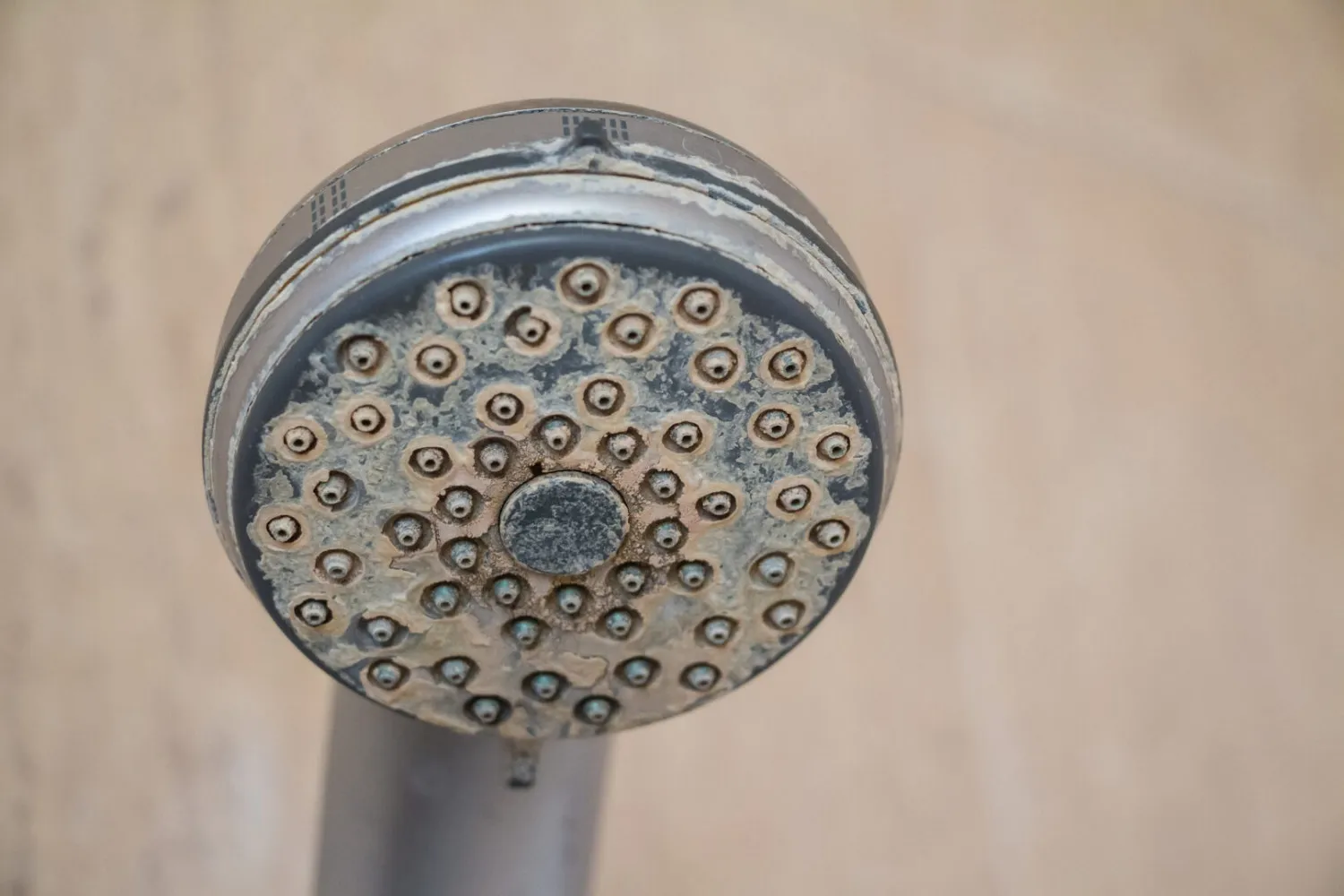
How can you test for hard water? Take a look at your dishware, shower head, faucets, and water bottles. If there’s a filmy, white residue, or “cloudy spots” on surfaces, then your home likely has hard water.


Madison, Wisconsin is known for having extremely hard water well above the national average. Madison sources its water from deep aquifers surrounded by limestone and other minerals, which seeps into the water supply and causes hard water.

Benefits and Drawbacks of Hard Water

Hard water is perfectly safe to drink. In fact, hard water’s trace calcium and magnesium content can even act as a dietary supplement!


However, hard water has plenty of drawbacks. Those minerals can cause dry hair and skin, and even change your skin’s pH balance. Many people say hard water tastes chalky and prefer drinking soft water. Hard water also requires more soap to get a good lather. Hard water can also interfere with cleaning, leaving behind residue on laundered clothing.


Hard water often damages pipes and appliances. Hard water leaves behind mineral buildup called limescale that can coat your pipes and appliances, causing poor water pressure and forcing appliances to operate inefficiently.


When it comes to bathing, cleaning, and operating appliances, hard water is not your friend.

Benefits and Drawbacks of Soft Water

Soft water excels where hard water doesn’t. It’s preferred for cleaning, bathing, and operating appliances. It doesn’t dry out your skin or hair, generally tastes better, and prevents residue build up. 


As for drawbacks, soft water has a higher sodium content, which can pose a risk to people with high blood pressure that need to reduce their sodium intake.

Softening Your Home’s Water

Water softeners, as the name implies, are devices installed in your home that remove minerals from hard water. Water enters the water softener, which is filled with resin beads that hold sodium ions. As water passes through, the sodium ions replace the calcium and magnesium, thereby softening the water.


As with any other appliance, water softeners require maintenance. They require a steady salt supply to work, and should be checked monthly to ensure it has enough salt to properly operate.


At Harker, we recommend annual professional maintenance to ensure your softener is working correctly. An expert like those at Harker can diagnose potential issues and complete repairs to keep your water softener running efficiently.


Ready to install a water softener system? Contact us today for a free consultation and say goodbye to troublesome hard water!

indoor air pollution

Schedule Your Early Bird A/C Tune Up!  Book with us online.

X