
Most people think of May as a month with perfect, mild spring weather. In Wisconsin? Not so much. With cool mornings, hot afternoons, and occasional below-freezing nights, fluctuating temperatures can put a serious strain on your heating and cooling system.
Struggling with unpredictable spring weather? Consider a heat pump! These highly adaptable systems are designed to handle quick temperature changes with ease and efficiency.
Here’s everything you need to know about heat pumps:

What is a Heat Pump? How Does a Heat Pump Work?
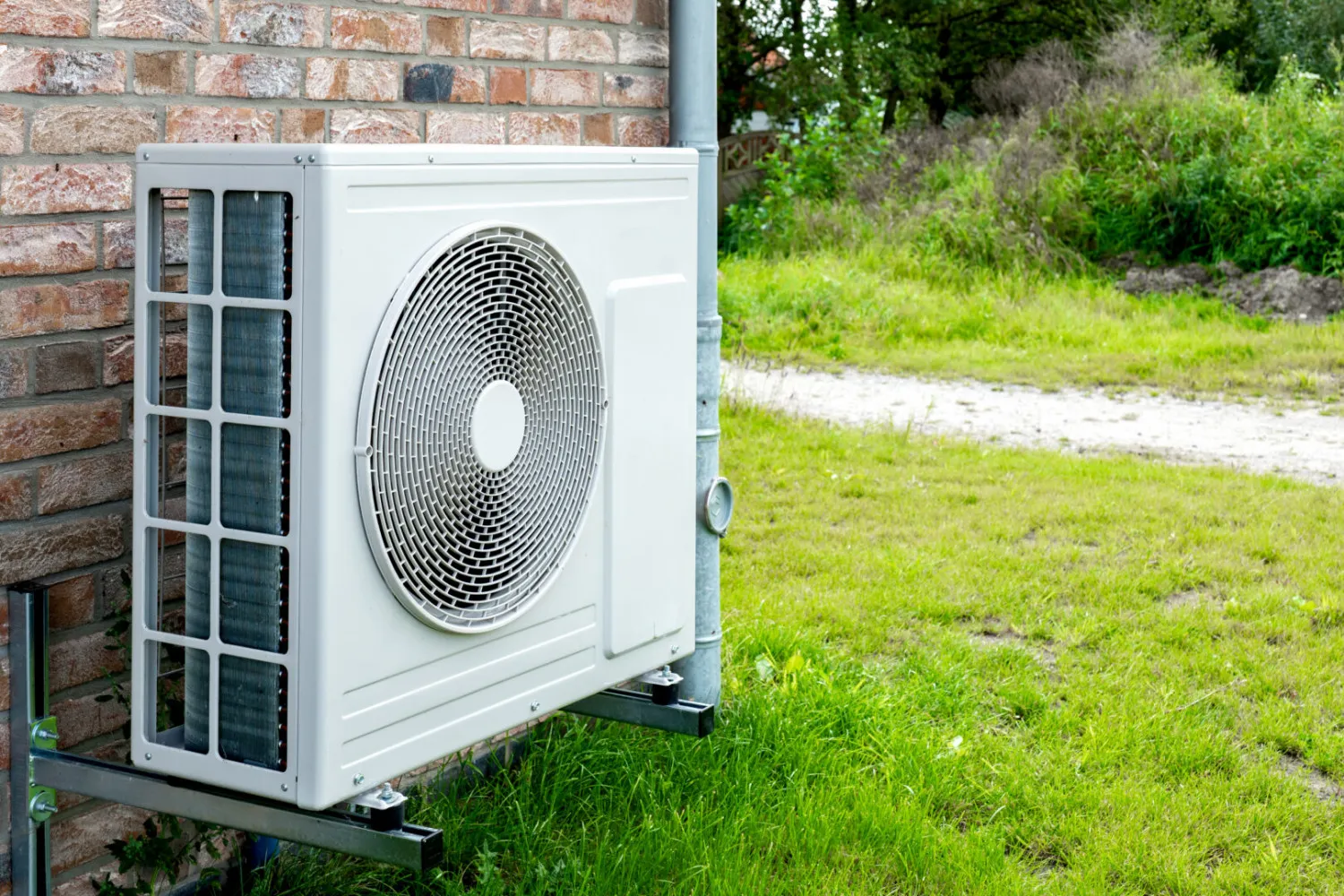
A heat pump is an electric system that transfers heat between your home and the outdoors. It consists of both an indoor and outdoor unit connected by refrigerant lines.
In summer, heat pumps absorb hot air from your home using refrigerant, transfers it to the outdoor unit, and dispels the heat into the atmosphere. Then the refrigerant is cycled back to the indoor unit, and the cooling cycle begins again.
In the winter, it’s the opposite. Heat pumps use refrigerant to harness heat from outdoor air (even when it’s chilly outside!), heats it further using a compressor, then transfers it into your home. The refrigerant returns to the outdoor unit to continue absorbing heat, and the cycle continues.
Heat pumps work similarly to AC units, using a compressor, refrigerant, and coil system to create a specific air temperature in your home. The key difference is heat pumps have a reversing valve that can switch the direction of refrigerant. This means that a heat pump can both cool and heat your home depending on your needs and the weather outside.
The best part? Modern heat pumps can operate in a variety of temperature limits, from well below freezing to 90-degree summers!
How Do Heat Pumps Handle Fluctuating Temperatures?
Heat pumps contain inverter technology, which allow the system to adjust its speed based on your home’s heating and cooling needs. Dealing with a chilly spring morning? A heat pump can adjust its speed to process heat faster. What about a mild afternoon? A heat pump can sense that the outdoor air is similar to your home’s desired temperature and slow down.
On the other hand, traditional heating and cooling systems like furnaces and AC units turn on, perform at one speed or strength, reach the desired temperature on your heat pump thermostat, and then instantly shut off. On a day with fluctuating temperature ranges, a system can turn on and shut off multiple times as it tries to adapt to the changing weather. Heat pumps can run longer at a lower speed or strength, preventing the constant on-and-off effect.
How Long Does A Heat Pump Last And How Do I Maintain It?
A heat pump typically lasts between 10-15 years depending on the model and its maintenance. Like other heating systems, regular filter changes and keeping the outdoor unit free from snow, leaves, and rain can go a long way.
Most importantly, schedule annual heat pump maintenance with a Harker Heating and Cooling professional. An expert can deep clean your system, inspect your unit for issues, and recommend repairs.
Feeling pumped up and want to learn more? Contact us today for a heat pump service consultation in Madison so you can tackle whatever weather Wisconsin has in store.
